

A well-managed grass pasture is one of the most cost-effective and high value feeds that can be produced and utilized by a horse owner. Plus, healthy pastures reduce the risk of polluted runoff and support the goal of cleaner water by avoiding soil erosion and runoff of nutrients from manure and urine—as well as reducing greenhouse gases by sequestering carbon from the atmosphere and storing it in their roots.
But healthy pastures don’t just happen—they are actively managed. Here are six tips for creating pastures that benefit the environment and keep your horses healthy.
1. Establish a Confinement Area
A confinement area is a dedicated paddock for housing your horses when they are not grazing. By giving up the use of a small area for grass production, you can greatly improve the health and productivity of the rest of your pastures. Confine your horses to this area during the winter and early spring when grass plants are dormant and soils are wet, which helps prevent soil compaction. In the summer, utilize confinement areas to keep pasture from being grazed below 3 or 4 inches—or when soils are saturated during irrigation or storm events.
For more information, see our Creating and Using an Equine Confinement Area tip sheet.

2. Keep Horses off Soggy Soils
One of the most important aspects of pasture management is the time you keep your horses off pastures. Saturated soils are easily compacted, suffocating the roots of grass plants. A simple test is to walk out in your fields and see if you leave a footprint. If you do, it’s too wet for your horses.
3. Evaluate Your Current Soil Status by Doing a Soil Test
How much compost or fertilizer you apply and the time of year you apply it should be based on the results of a soil test. Talk with your local conservation district or extension office for help on how to take a soil test, where to have it analyzed, and how to interpret results.
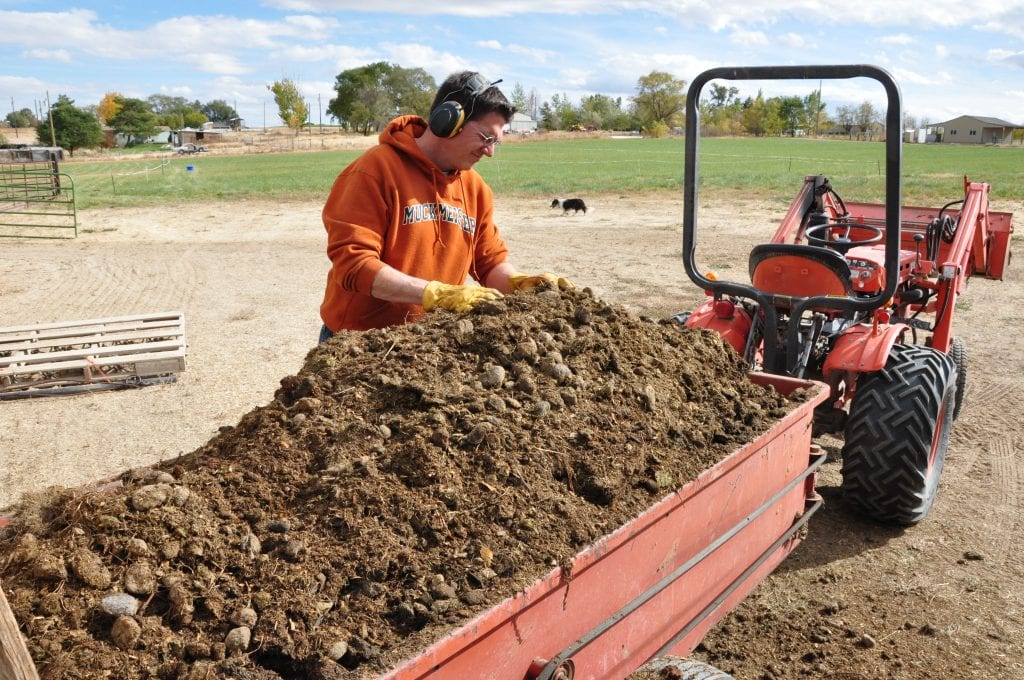
4. Spread Compost
The best time to spread compost is in late spring or early fall, but anytime during the growing season is good. The nutrients, organic material, beneficial bacteria, and fungi in the compost will help retain moisture, build soil health, and contribute to healthier, more productive grass plants. Depending on the size of your pastures, compost can be spread by hand with a wheelbarrow and pitchfork or by using a tractor and manure spreader. Go back through with a garden rake or harrow to spread compost into a thin layer so grass plants aren’t smothered.
Want help turning your horse manure into valuable compost? Check out our How to Compost and Use Horse Manure tip sheet.
5. Keep Pastures Healthy by Rotating Grazing Areas
By dividing a pasture area into smaller fields and rotating horses through them, you can encourage horses to graze more evenly, keep pasture grasses from becoming overgrazed, and provide fresh grass for a longer period during the growing season.

6. Follow the Golden Rule of Grazing: Never Allow Grass to be Grazed Shorter than Three to Four Inches
Consider the bottom three inches of grass an energy collector. Leaving them intact ensures the grass plants have enough reserves after grazing to allow for rapid regrowth. Once horses have grazed the majority of the grass in a pasture area down to three or four inches, rotate them to the next grazing area. You can put horses back on the first area when the grass has recovered and re-grown to six to eight inches.
Rotational grazing areas can be easily created with temporary horse fencing. For tips choosing the right fencing for your property, check out our tip sheet Temporary Fencing for Horse Properties.
As a successful pasture manager, you won’t just be providing healthy food for your horses. You’ll also help combat climate change by growing grassy pastures that effectively sequester carbon and mitigate water pollution.


